Use Cardboard Boxes for Fruit and Vegetables for Fresh Produce Storage
Cost-Effective Tailored Produce Boxes: Superior Packaging for Any Budget
Inexpensive personalized vegetable boxes are vital in present-day business practices. They combine cost-effectiveness with premium standards, putting them within reach of a considerable range of businesses. These boxes boost brand identity and also respond to the needs of eco-conscious consumers. Businesses can realize this objective without weighing down their financial resources. Understanding the fundamental aspects and substance options will illuminate how such packaging can elevate client satisfaction. The next steps may hold the key see this article to revealing greater success.
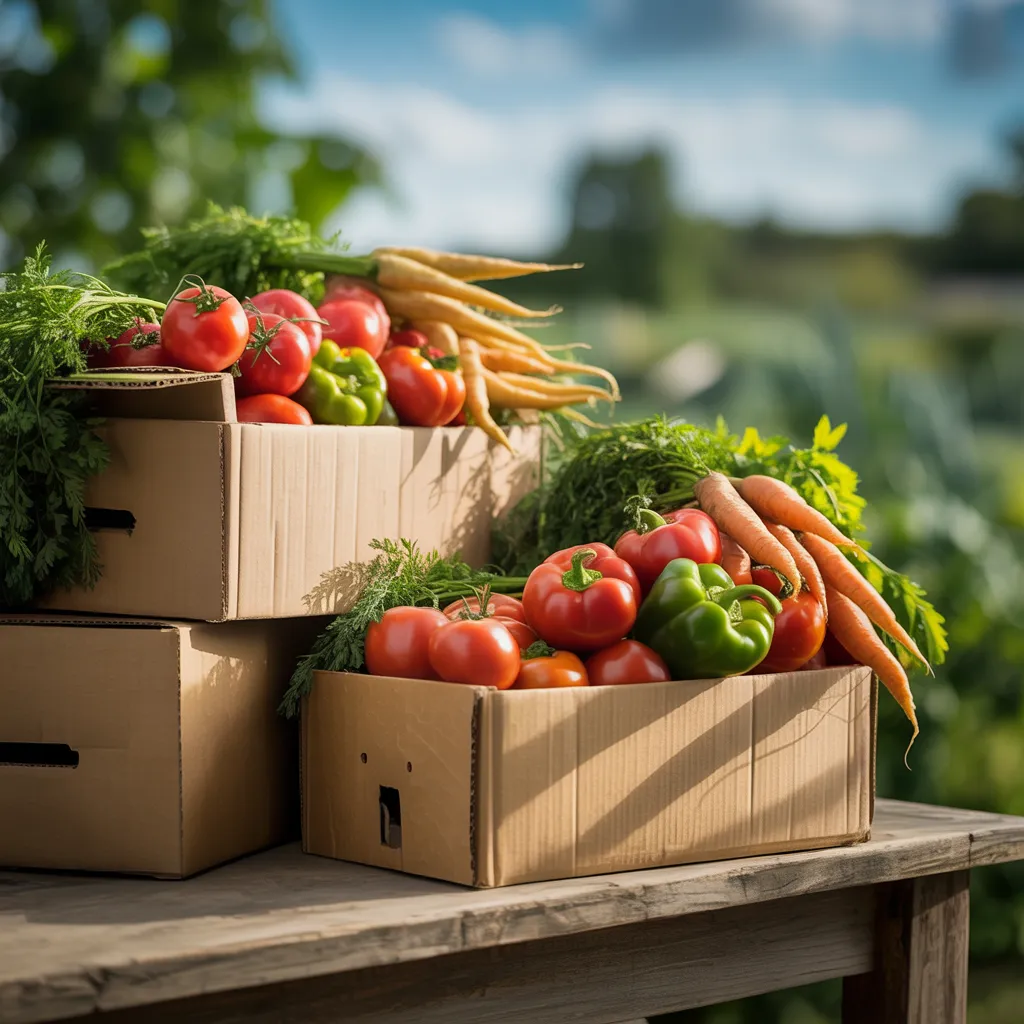
The Significance of Bespoke Produce Boxes for Your Organization
Custom produce boxes fulfill an integral role in forming a business's brand identity and enhancing customer experience. These boxes are not simply useful; they act as a visual representation of the brand, attracting attention and building up recognition. Eye-catching designs and quality materials illustrate professionalism and care, elevating a business above others in a competitive market.
In addition, made-to-order packaging allows companies to share their priorities, like green practices or locally-produced sourcing, directly to consumers. This tie builds reliance and loyalty, encouraging repeat purchases.
Moreover, the ideal packaging can strengthen the unboxing experience, converting a basic sale into a memorable event. As customers encounter unique packaging, they are apt to communicate their experiences on social media, amplifying brand visibility.
Essentially, custom produce boxes protect products while also serving an important function in brand promotion and customer relationships, rendering them a worthwhile commitment for any company.
Fundamental Traits for Thrifty Made-to-Order Produce Packaging
Affordable custom produce packaging should emphasize specific features that coordinate cost and functionality. First, durability is vital; packaging must tolerate handling and transportation without weakening the integrity of the produce. In addition, light materials can reduce shipping costs while sustaining protection. Customization options, such as branding and size adjustments, enhance marketability without greatly adding to expenses.
Ventilation represents another key element; ventilated packaging solutions sustain freshness, decreasing spoilage and waste. Additionally, simplified assembly and disassembly supports cost-effectiveness by enhancing the packing process. Eco-friendliness continues to gain importance; incorporating sustainable or compostable options resonates with environmentally aware consumers, boosting brand image. Finally, well-defined labeling choices allow inventory management and conformance with regulations. By emphasizing these essential features, businesses can create cost-effective custom produce packaging that fulfills both functional and budgetary needs.
Examining Material Possibilities for Low-Cost Produce Boxes
When assessing affordable custom produce boxes, selecting the right substances is crucial. Cardboard and plastic options each provide unique advantages, impacting both price and sustainability. Additionally, exploring sustainable options can lead to creative design approaches that meet financial limitations while advancing ecological accountability.
Cardboard Versus Plastic Alternatives
While both cardboard and plastic operate as viable materials for produce boxes, their unique features can substantially impact cost and environmental responsibility. Cardboard, typically less costly, provides excellent modification options and is widely reusable, drawing to businesses aiming for budget-friendly solutions. However, it might not perform against moisture effectively, conceivably compromising product quality. By comparison, plastic boxes deliver durability and resistance from water, making them ideal for prolonged retention periods. They can be pricier initially but are recyclable, which could offset costs over time. Ultimately, the decision between cardboard and plastic depends on individual needs, including financial constraints, product type, and intended longevity, highlighting the importance of examining both material options before settling on a decision.
Eco-Friendly Material Decisions
Utilizing eco-friendly material choices is important in crafting affordable produce boxes, influencing both the environmental footprint and market desirability. Materials such as post-consumer recycled cardboard and biodegradable options are increasingly preferred for their sustainable features. Post-consumer recycled cardboard lowers waste and cuts demand for virgin materials, making it appealing to eco-conscious consumers. Moreover, biodegradable alternatives, including plant-based plastics, offer an eco-friendly solution that decomposes without harmful residues. These materials not only improve the sustainability of produce boxes but also draw customers who prioritize eco-friendliness. Ultimately, selecting appropriate materials is vital for producers seeking to balance cost with environmental responsibility, contributing to a greener packaging industry.
Cost-Effective Design Options
Looking into economical design strategies for affordable produce boxes reveals a variety of material options that balance quality and price. Cardboard remains a popular choice, offering durability and lightweight qualities at a low cost. Corrugated cardboard enhances structural integrity, making it suitable for heavier produce while still being affordable. For a more eco-conscious approach, recycled paperboard supplies a sustainable option without jeopardizing affordability. Additionally, plastic alternatives, such as biodegradable or reusable materials, can provide long-term savings despite higher initial costs. Each material presents unique benefits, helping businesses to select based on their specific needs, making sure that quality packaging remains accessible for all budgets while effectively protecting the contents within.
Money-Saving Suggestions for Choosing Custom Packaging
When sourcing custom packaging on a limited budget, businesses can benefit from a strategic approach that emphasizes economic savings without sacrificing quality. First, comparing multiple suppliers is crucial; this enables a better understanding of pricing options and available options. Additionally, opting for conventional dimensions and layouts can significantly lower costs, as custom molds and unique shapes often incur increased costs.
A beneficial tip includes purchasing in bulk, which often leads to discounts and lower per-unit costs. Furthermore, businesses should consider nearby vendors to minimize shipping fees and support community economies.
In conclusion, exploring eco-friendly materials can be budget-friendly and resonate with green-minded customers. By implementing these economical tactics, businesses can acquire premium customized packaging that meets their financial constraints while still properly meeting their packaging demands.
Elevating Your Produce Boxes With Custom Branding
Custom branding on produce boxes can significantly influence consumer perception, making eye-catching designs crucial for attracting attention. Additionally, utilizing eco-friendly resources not only improves the visual attractiveness but also aligns with increasing sustainability awareness among consumers. Combined, these components can enhance a company's image and market presence.
Eye-Catching Designs Matter
Compelling designs serve an important role in the marketing of produce boxes, greatly impacting customer understanding and buying decisions. A carefully designed box can attract attention on crowded shelves, enabling products to become distinctive. Unique imagery, vibrant hues, and readable typography help communicate the brand's character and values, building a emotional bond with consumers. Additionally, designs that showcase freshness and excellence can enhance the perceived worth of the produce inside. Custom branding not only distinguishes products from competitors but also encourages brand allegiance among customers. As shoppers increasingly seek attractive containers, putting resources in striking designs becomes vital for companies striving to boost revenue and establish a lasting position in the marketplace.
Sustainable Material Alternatives
Selecting sustainable component alternatives for produce boxes strengthens their charm while also meeting rising market interest for sustainable items. Numerous enterprises are embracing naturally decomposable, compostable, and reprocessable materials, which reduce ecological damage while guaranteeing product quality. Alternatives such as sturdy cardboard and natural polymers deliver robustness and defense for fresh produce. Logo incorporation can be effortlessly woven in into these materials, helping firms to express their sustainability focus. Through leveraging sustainable inks and understated layouts, entities can more effectively display their sustainability goals. Fundamentally, implementing sustainable materials establishes a favorable perception and appeals to sustainability-focused customers, producing a positive result for all organizations and our planet.
Case Studies: How Small Businesses Thrived With Custom Produce Packaging
Small ventures have modified their branding and sales strategies through innovative produce packaging solutions. One remarkable example is a local organic farm that transformed its packaging to showcase vibrant, green boxes. This not only enhanced the farm's visual appeal but also illustrated its commitment to sustainability, resulting in a 30% growth in revenue.
A case concerned a small grocery store that adopted customized, identified produce boxes. This method boosted the organization and customer satisfaction, causing a 15% uptick in repeat customers.
A third enterprise, a community-supported agriculture (CSA) program, implemented customized wrapping featuring local artwork. This distinctive strategy fostered community engagement and loyalty, eventually increasing membership by 25%.
These examples demonstrate that effective custom produce packaging can significantly enhance small business growth, strengthening brand identity and fostering customer relationships while remaining cost-effective.
Common Questions Posed Frequently
What volumes do you need to buy custom fruit and vegetable boxes?
Minimum order quantities for custom produce boxes commonly fall between 100 to 500 units, contingent on the supplier. Factors like design complexity and material preference also shape the required minimums for orders.
How much time Does It Take to Receive Custom Produce Boxes?
It generally takes approximately two to four weeks to get custom produce boxes after submitting an order. Factors such as complexity of design and manufacturing timelines may affect the overall timeframe for delivery.
Is It Possible to Build My Own Tailored Produce Box?
Yes, individuals can design their own custom produce boxes. Many companies provide digital design platforms, enabling customers to choose size, color schemes, and visual elements, ensuring a personalized packaging solution that fulfills their particular requirements and desires.
Do Eco-Conscious Choices Exist for Custom Packaging Materials?
Yes, many sustainable alternatives exist for bespoke packaging. Companies supply products like recycled cardboard, biodegradable plastics, and plant-based inks, allowing enterprises to create green packaging approaches that decrease environmental impact while still meeting their marketing needs.
What Are the Common Pricing Brackets for Custom Produce Boxes?
A typical cost range for custom produce boxes ranges between $0.50 to $3.00 per unit, determined by materials, size, and intricacy of the design. Bulk orders can decrease expenses considerably, delivering more budget-friendly options for enterprises.